
Emergency Services
Roof Damage Handled Before It Spreads Inside
Emergency roof repair in Hobe Sound for active storm damage or severe water intrusion
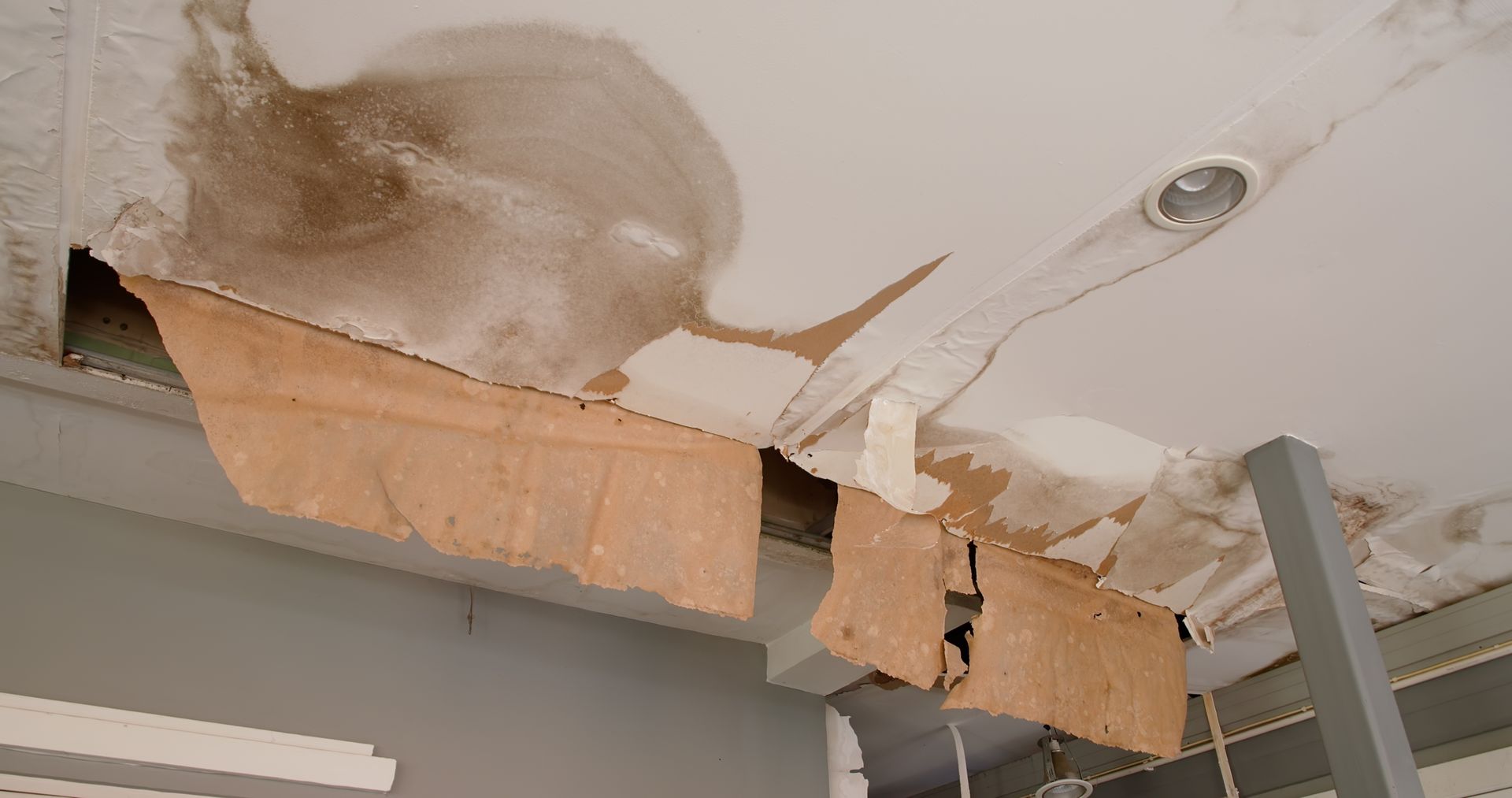
Once emergency roof repair is completed, active water entry stops and the roof envelope is closed against outside elements—the property is stabilized rather than continuing to accumulate interior damage with every passing hour. Over the Top Roof Repair responds to emergency roof situations for homeowners in Hobe Sound when storm damage, severe leaks, or structural failures cannot wait for a standard repair window. The priority in any emergency response is limiting interior exposure while the full scope of what happened to the roof is assessed and documented.
Storm damage is one of the primary triggers for emergency work—wind that lifts or removes shingles and tiles, debris impact, or a combination of both can leave large areas of decking exposed in a single event. Large active leaks that are moving water through the roof system and into interior spaces are the other common emergency scenario. Over the Top Roof Repair identifies what is open and what is failing, addresses the immediate vulnerability first through tarping, emergency patching, or temporary boarding, and then documents the full damage scope before permanent repair work is planned.
To report active roof damage, describe what you are observing on the roof and inside the home when you contact Over the Top Roof Repair.
What Emergency Roof Repair Actually Accomplishes
The primary goal of emergency roof work is stopping active water entry and closing any opening in the roof envelope. Securing temporary material over damaged areas prevents further interior exposure while permanent repair is scheduled, and stopping water quickly limits how far moisture travels into insulation, decking, and ceiling assemblies—which directly affects what has to be repaired or replaced afterward.
Once the immediate opening is addressed, the full condition of the affected area can be assessed in terms of what permanent repair requires. Homeowners can see a clear change after emergency work is done: the interior is no longer receiving water, the damaged area on the roof is covered or stabilized, and the structure is no longer open to the elements. In Hobe Sound, where older CBS homes often have low-slope roof sections alongside standard pitched surfaces, emergency repair work frequently involves both types—flat sections require different patching materials and attachment methods than pitched shingles, and the initial assessment identifies which section has been compromised.
Emergency repair covers the immediate vulnerability but is not always the same scope as the permanent repair that follows. Once the property is stabilized, a follow-up assessment determines what material replacement, flashing repair, or structural work is needed to restore the roof fully.
Answers About How the Work Is Done
These questions address how emergency roof repair is handled—the response sequence, what temporary measures involve, and how permanent work follows.
What is the first step when Over the Top Roof Repair arrives for an emergency call?
The roof is assessed for the location and size of any opening or active damage before any material is applied, so the response targets the actual failure point rather than the most visible area.
How is a large active leak managed when permanent repair cannot happen the same day?
Reinforced tarping or emergency patching material is secured over the affected area to stop water entry until permanent repair work can be scheduled and completed.
What roof conditions are handled as emergencies rather than standard repairs?
Active water intrusion through the roof, storm damage that has left decking or structural sections exposed, and impact damage that has opened the roof envelope are the situations treated as priority work.
How does construction type affect emergency roof repair on older Hobe Sound properties?
Homes with both low-slope and pitched roof sections require different patching approaches for each surface type, and identifying which section is compromised is part of the initial on-site assessment.
What should a homeowner document before Over the Top Roof Repair arrives?
The location of any interior leak, visible surface damage that can be observed from the ground, and whether structural debris has fallen all help prioritize the response before the crew reaches the property.
Over the Top Roof Repair handles emergency roof calls as time-sensitive work—structured to stop damage first and assess fully second. If your roof has active damage or a storm-related failure, report it directly so a response can be coordinated immediately.
